Kick-off 🥳 On Monday afternoon, we held the kick-off for the first 12 Namibian nurses. They have started the program during which they will:
and thus be fully prepared to work in dementia care in the Netherlands.
In Namibia, over 50% of all newly graduated nurses are unemployed. We help them gain more experience and set up projects in Namibia where they can start working after 3 years of experience.
The Dutch instructor from our Dutch client is Hinke Wijngaard. She provides the complete language training to B1 level. She has decades of experience with this. The deciding factor for her to say yes to this challenge is the impactful work we do. Thank you, Hinke, and good luck 🍀
Sufrani Uys was, of course, also present. She was able to explain a bit more about ADN and what awaits them when they start the internal training in Swakopmund (Namibia), where they will be trained in practice with people living with dementia ❤️
Why do we only start thinking about our brain or that of a loved one after a dementia diagnosis? Why not make it a standard part of education in schools?
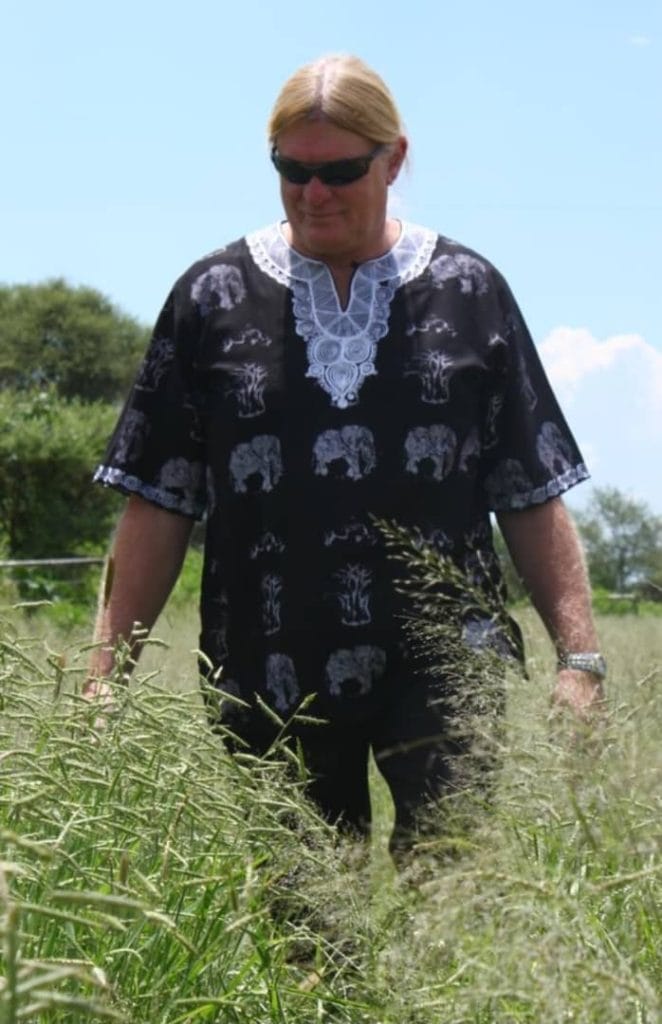
Berrie Holtzhausen want to share this with you. Founder of Alzheimers Dementia Namibia (ADN) , CEO, trainer, and my inspiration. Berrie, who has lived with an Alzheimer’s diagnosis for 5.5 years and still works full time.
🤔 How is it that caring for someone with dementia is one of the hardest journeys a person can walk?
🤔 Why do we wait until after a diagnosis to learn how the human brain works, instead of learning while we still have time to protect those we love?
🤔 Why is brain health not a compulsory subject in every classroom, in every country, for every child?
This is for four groups of people. If these words reach you, don’t just pass them by. Ask yourself what it truly means for Berrie (or someone you know) to live with dementia. Then start the conversation. Ask the questions. Demand the understanding. Because awareness begins with curiosity, and change begins with a single conversation.
1. General/Ignorant population
What we know about helping people with dementia keeps changing as we learn more. It isn’t a fixed set of rules that applies to everyone.
2. Caregivers
Supporting someone with dementia means staying flexible. New insights and approaches develop all the time, so what works today may improve tomorrow, and what helps one person might not help another.
3. Researchers
Knowledge about dementia care is dynamic and context-dependent rather than static or universally generalizable. It evolves continuously with new evidence and clinical experience.
4. Policymakers
Dementia care policy should account for knowledge as an adaptive and non-static resource. Standards and best practices must be updated regularly to reflect emerging evidence and diverse population needs.

Please fill in the contact form and we will respond as soon as possible.